.png)
Summer Lawn Recovery: What to Do Before Fall Arrives

By the end of summer, it is common for even well maintained lawns to show signs of stress. High temperatures, dry conditions, heavy use, and months of regular mowing all take a toll on the grass. Brown patches, thin areas, compacted soil, and slower growth often become more noticeable as the season winds down. The good news is that there is still time to help your lawn recover before fall arrives. The steps you take now can strengthen the grass, improve its appearance, and create healthier growing conditions that carry into next year.
Start by Understanding What Your Lawn Needs

Look beyond brown patches
A lawn that has lost some of its green color is not necessarily unhealthy. During periods of prolonged heat, many cool season grasses naturally slow their growth to conserve energy. Instead of focusing only on color, walk around your property and look for areas where the grass feels thin, the soil is hard, weeds have become more noticeable, or water no longer soaks into the ground evenly. These observations provide a much better picture of what your lawn actually needs before cooler weather arrives.
Separate temporary stress from lasting damage
Not every problem requires major repairs. Grass that has simply gone dormant often recovers once temperatures cool and regular moisture returns, while damaged turf may need overseeding or soil improvements. Learning to recognize the difference helps you spend time and money where it will have the greatest impact instead of treating your entire lawn the same way.
Adjust Your Mowing Routine

Raise your mowing height
Many homeowners continue mowing their lawn the same way throughout the summer, even as growing conditions change. Allowing the grass to remain slightly taller helps shade the soil, reduce moisture loss, and encourage deeper root growth. If you are unsure whether your mowing schedule is still appropriate for this time of year, comparing weekly and bi weekly mowing can help you decide what best suits your property.
Keep mower blades sharp
A sharp mower blade creates a clean cut that heals quickly, while a dull blade tears the grass and leaves ragged edges that lose moisture more easily. Lawns cut with dull blades often appear faded only a day or two after mowing, even when they are otherwise healthy. Regular blade maintenance is one of the simplest ways to improve the appearance of your lawn without changing any other part of your routine.
Improve the Way You Water

Water deeply instead of frequently
Frequent light watering encourages roots to stay close to the surface where the soil dries out quickly. Watering more deeply allows moisture to reach farther into the ground, helping the root system become stronger and more resilient during future dry periods. Building deeper root systems is one of the most effective ways to improve the long term health of your lawn.
Watch how your lawn responds
No two lawns dry out at the same rate. Areas beside driveways, sidewalks, fences, and south facing slopes often lose moisture much faster than shaded sections of the yard. Rather than following a fixed watering schedule every week, pay attention to how quickly different parts of your lawn dry after rainfall or irrigation. Small adjustments based on actual conditions usually produce much better results than watering everything equally.
Make sure your irrigation is working evenly
Sometimes the problem is not how much water you apply but where it actually reaches. Blocked sprinkler heads, low pressure, or uneven coverage can leave dry sections scattered throughout the lawn. If certain areas repeatedly struggle while others remain healthy, checking your irrigation system may solve the problem before more extensive lawn repairs become necessary.
Help the Soil Recover Too

Healthy grass begins with healthy soil
Grass cannot fully recover if the soil underneath continues limiting root growth. Compacted ground reduces airflow, slows water movement, and makes it harder for nutrients to reach the roots. Improving soil health creates better growing conditions not only for the rest of this season but also for the following spring.
Aeration can make a noticeable difference
If your lawn feels hard underfoot or water pools on the surface after rain, compaction may already be affecting root development. Creating small openings in the soil allows water, oxygen, and nutrients to move more freely while giving the roots additional space to grow. Many lawns that struggle through summer respond well once compacted soil is relieved before fall.
Organic matter strengthens the entire lawn
Healthy soil contains far more than minerals. Organic material improves moisture retention, supports beneficial microorganisms, and creates a better environment for root growth. Adding organic matter over time helps build a lawn that is naturally more resilient during future periods of heat and drought.
Repair Thin Areas Before Weeds Take Over

Fill bare patches while conditions improve
Open areas rarely stay empty for long. As temperatures begin cooling, weeds often compete with new grass for space if damaged sections are left untreated. Repairing thin areas before fall gives new grass an opportunity to establish itself while growing conditions become more favorable.
Overseeding improves lawn density
Overseeding introduces new grass into areas that have become sparse without requiring a complete lawn renovation. A thicker lawn not only looks better but also shades the soil more effectively and naturally reduces opportunities for weeds to establish themselves. If your lawn has gradually become thinner over the past few seasons, strengthening it now often produces noticeable improvements by next spring.
Give Your Lawn the Nutrients It Needs

Apply fertilizer at the right time
Late summer and early fall are often the best times to strengthen cool season lawns because the grass shifts its energy from surviving heat to rebuilding roots and producing healthy growth. Applying the right fertilizer during this transition gives your lawn the nutrients it needs without encouraging excessive top growth during the hottest part of the year. Choosing the proper fertilizer for your lawn also helps improve color, density, and overall resilience heading into fall.
Don't fertilize just because the calendar says so
Every lawn recovers at its own pace. Factors such as rainfall, soil quality, shade, and grass variety all influence when fertilizer will provide the greatest benefit. Before applying anything, evaluate how your lawn is actually performing rather than following a fixed schedule. Grass that is still under severe heat stress often benefits more from improved watering and soil conditions before additional nutrients are introduced.
Keep Weeds From Gaining Ground
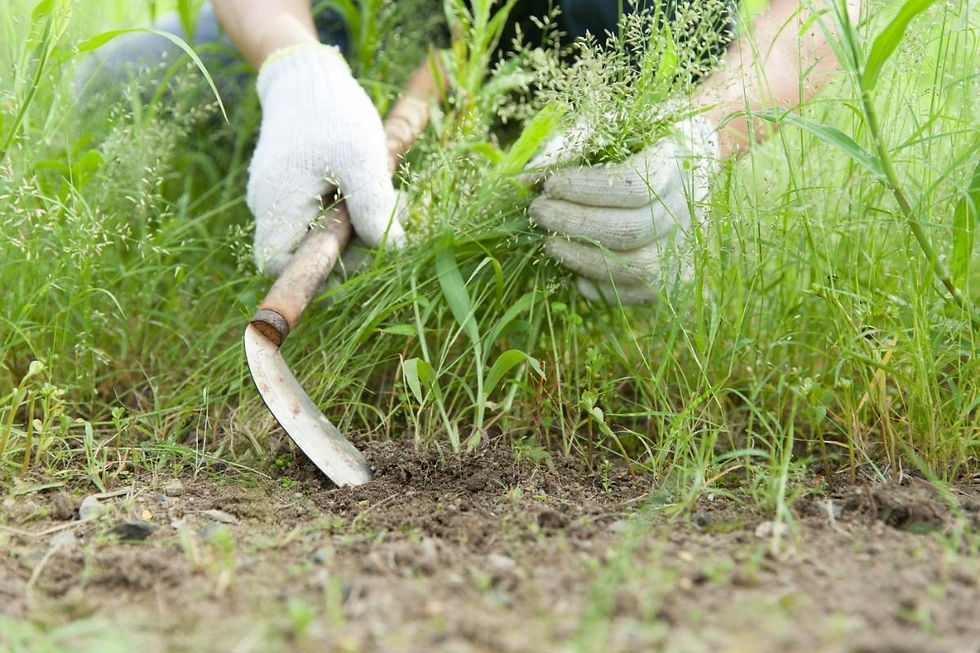
Weeds often take advantage of stressed lawns
When grass becomes thin or dormant during summer, weeds quickly fill the available space. They compete for water, nutrients, and sunlight, making it more difficult for healthy turf to recover once cooler temperatures arrive. Removing weeds before they spread gives your lawn a much better opportunity to thicken naturally during the coming weeks.
A healthier lawn becomes your best weed control
Many people focus on eliminating weeds without addressing the conditions that allowed them to appear in the first place. Building stronger roots, maintaining proper mowing height, improving soil quality, and repairing thin areas naturally reduce weed pressure over time. The same principles discussed in organic lawn care often create a healthier lawn with fewer recurring weed problems.
Think Beyond the Lawn

Trees and garden beds influence your lawn's health
Your lawn does not exist on its own. Trees compete with grass for moisture, shrubs create shade that affects growth, and garden beds influence how water moves across the property. Looking at your landscape as one connected system helps explain why some sections of the lawn recover more quickly than others. If your trees, shrubs, or planting beds have also struggled through the heat, protecting those landscape features before fall arrives helps create healthier growing conditions across the entire property.
Small landscape improvements support long term results
Simple projects like refreshing mulch, improving drainage, or correcting uneven watering patterns often benefit much more than the areas where the work takes place. Many recurring lawn problems begin because the surrounding landscape no longer functions efficiently. Addressing those underlying issues early can prevent the same problems from returning year after year.
Prepare Your Lawn for the Changing Season

Recovery today makes fall maintenance more effective
A lawn that begins recovering before temperatures cool is in a much better position to benefit from fall maintenance. Stronger roots, healthier soil, and thicker grass all respond more effectively to seasonal care than lawns that have been left under stress until the last minute. If you are already planning your fall clean up, starting your lawn recovery beforehand helps you get even better results.
Do not wait until problems become permanent
Many homeowners postpone repairs until large sections of the lawn have completely failed. Acting while the grass is still capable of recovering usually requires much less work than replacing extensive damaged areas later. If your property has been showing several signs of decline throughout the season, they may be indicators that it needs more than basic landscape maintenance rather than another round of routine mowing.
Summer can leave your lawn looking tired, but it does not have to stay that way. By adjusting your mowing routine, improving watering habits, strengthening the soil, repairing thin areas, and preparing for the transition into fall, you give your grass the best opportunity to recover before the growing season changes. Small improvements made consistently over the next several weeks will not only improve your lawn's appearance now but also create stronger, healthier growth that carries into next spring.
Frequently Asked Questions
Can a brown lawn recover without replacing the grass?
Yes. Many cool season lawns become dormant during periods of extreme heat and recover naturally once temperatures cool and moisture returns. Evaluating the root system and overall lawn health helps determine whether repair or replacement is actually necessary.
Should I keep mowing if my lawn has stopped growing?
Yes, but only as needed. Avoid cutting too much off at once and keep the mowing height slightly higher to reduce additional stress on the grass.
Is late summer a good time to overseed?
Yes. As temperatures begin cooling and soil remains warm, conditions become much more favorable for establishing new grass than during the hottest weeks of summer.
How do I know if my lawn needs aeration?
If the soil feels hard, water remains on the surface after rain, or the lawn has become thin despite regular maintenance, soil compaction may be limiting healthy growth.
Can watering every day help my lawn recover faster?
Not usually. Deep watering encourages healthier root growth than frequent shallow watering and often produces better long term results.
Should I fertilize before fall?
In many cases, yes. A properly timed fertilizer application helps strengthen roots and prepares the lawn for healthy growth during the cooler months, but timing should be based on your lawn's condition rather than the calendar alone.
When should I consider professional lawn care?
If your lawn continues struggling despite adjusting your watering, mowing, and maintenance practices, a professional assessment can identify issues such as compaction, drainage problems, nutrient deficiencies, or irrigation concerns before they become more expensive to correct.


Comments