.png)
Signs Your Landscape Needs More Than Basic Maintenance

Keeping your landscape attractive involves much more than mowing the lawn and trimming the edges every week. While regular maintenance is essential, there comes a point when basic upkeep is no longer enough to solve the underlying issues affecting your property. Some changes usually happen gradually, that's why recognizing them early can help you avoid expensive repairs and restore the health of your outdoor space before minor issues become major projects.
Your Lawn Is Healthy in Some Areas but Struggling in Others

Uneven growth usually points to a larger issue
If certain sections of your lawn remain green while others constantly appear thin, yellow, or patchy, the problem often extends beyond regular mowing or watering. Soil compaction, drainage problems, nutrient deficiencies, and inconsistent irrigation can all create uneven growth patterns that basic maintenance alone cannot correct. Continuing to mow and water without addressing the underlying cause usually produces the same disappointing results year after year. If you have already noticed discoloration, our article about yellow spots in your lawn explains several common causes and how to identify them. The University of Minnesota Extension's guide to lawn renovation explains how improving soil conditions and restoring damaged turf often produces much better long-term results than simply increasing maintenance frequency.
Grass does not recover like it used to
A healthy lawn naturally repairs itself after mowing, foot traffic, and changing weather conditions. If damaged sections remain thin for weeks or continue getting larger instead of recovering, the grass is likely struggling below the surface. Weak root systems, compacted soil, or poor nutrient availability reduce the lawn's ability to repair itself naturally. When recovery slows noticeably compared to previous years, your landscape is telling you that it needs more than routine mowing and watering.
Different soil conditions affect different parts of your property
Your entire property rarely contains identical soil. Areas beside driveways, beneath mature trees, near sidewalks, or along slopes often have completely different drainage characteristics and soil composition. These differences affect how water moves through the ground, how nutrients become available, and how roots develop over time. That is why one part of your lawn may remain healthy while another consistently struggles despite receiving the same maintenance. Understanding these differences allows you to solve the actual problem instead of repeatedly treating the symptoms.
Plants and Shrubs Are Losing Their Appearance

Slow growth can signal unhealthy conditions
Trees, shrubs, and ornamental plants should continue producing healthy foliage throughout the growing season. When leaves become pale, flowering decreases, or branches begin dying back, the issue often involves soil quality, root health, irrigation, or nutrient availability rather than the plants themselves. Pruning alone cannot solve these underlying problems because the stress usually begins beneath the soil surface. The University of Illinois Extension Gardening Resources provides excellent information about maintaining healthy ornamental plants and identifying common landscape problems.
Frequent pruning is not solving the problem
Pruning helps maintain shape, remove dead branches, and encourage new growth, but it cannot compensate for unhealthy growing conditions. If your shrubs quickly return to looking sparse, uneven, or unhealthy shortly after every trim, it is worth evaluating irrigation, soil conditions, drainage, and plant health instead of simply increasing maintenance frequency. Our residential landscape services often include evaluating these larger issues so the entire landscape performs better throughout the season.
Plants are outgrowing their original space
Landscapes naturally evolve over time. Shrubs that once fit perfectly beneath windows may begin competing for sunlight, moisture, and nutrients as they mature. Trees gradually cast more shade, while neighboring plants begin crowding one another. Overcrowding reduces airflow, increases disease pressure, and creates an uneven appearance throughout planting beds. Selective pruning, transplanting, or replacing certain plants often restores balance without requiring a complete landscape redesign.
Seasonal color is disappearing
A healthy landscape should continue providing visual interest throughout the growing season instead of looking vibrant for only a few weeks. If flowering plants bloom briefly before fading into dull, lifeless beds, your landscape may simply lack plant diversity. Mixing shrubs, ornamental grasses, flowering perennials, and seasonal color creates a landscape that remains attractive for much longer while reducing the appearance of empty or neglected spaces. The Missouri Botanical Garden Plant Finder offers an excellent resource for selecting plants suited to different growing conditions.
Drainage Problems Keep Returning
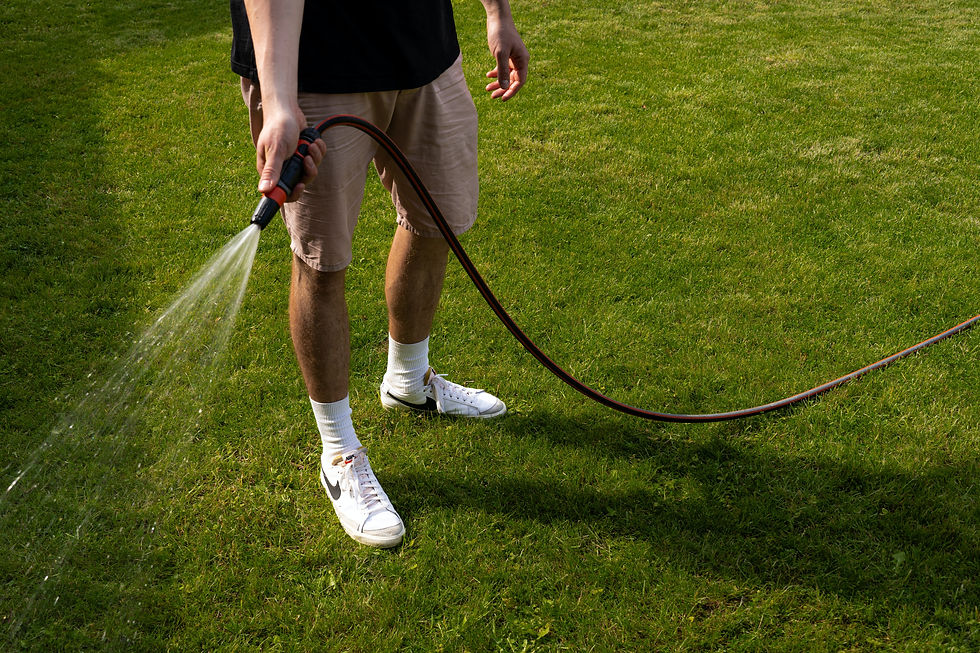
Standing water should never become normal
Water should drain away from your landscape within a reasonable amount of time after heavy rainfall. If puddles remain for days or certain areas constantly become muddy, drainage problems are likely affecting both your lawn and planting beds. Excess moisture weakens root systems, encourages fungal diseases, and creates growing conditions where healthy plants struggle to survive. Solving drainage issues early protects the entire landscape and prevents larger structural problems later.
Erosion is becoming noticeable
If rainfall repeatedly washes soil downhill or exposes plant roots, your landscape is slowly losing one of its most valuable resources. Erosion damages planting beds, weakens slopes, and changes the appearance of your property over time. Correcting water flow before significant soil loss occurs is much less expensive than rebuilding damaged landscape areas.
Mulch continues washing away after heavy rain
Mulch should remain inside planting beds where it protects soil, conserves moisture, and suppresses weeds. If every heavy rainfall leaves mulch scattered across sidewalks or lawns, water is moving through your landscape too aggressively. Besides making the property appear messy, repeated mulch movement exposes roots, increases erosion, and reduces the effectiveness of your planting beds. Improving grading or drainage often solves this problem while helping the entire landscape perform better.
Weeds Continue Returning Despite Regular Maintenance

Healthy landscapes naturally resist weeds
A dense lawn and properly maintained planting beds leave very little room for weeds to establish themselves. If weeds continue appearing in the same locations every season despite regular maintenance, the issue usually involves weak turf, exposed soil, poor drainage, or unhealthy growing conditions rather than the weeds themselves. Creating healthier growing conditions naturally reduces weed pressure while improving the overall appearance of your property. Many of these improvements are also discussed in our guide to spring lawn care.
Bare soil invites unwanted growth
Open soil receives direct sunlight, allowing weed seeds to germinate quickly. Filling these spaces with healthy grass, mulch, or appropriate landscape plants reduces opportunities for unwanted growth while creating a cleaner appearance. Consistently addressing bare areas before weeds become established requires much less effort than repeatedly removing mature weeds throughout the growing season.
Mulch is breaking down faster than expected
Mulch naturally decomposes over time, but planting beds should never become completely exposed after only a short period. Thin mulch allows weeds to establish more easily while reducing the soil's ability to retain moisture during hot weather. Refreshing mulch at the appropriate time keeps planting beds healthier, improves moisture retention, and enhances curb appeal throughout the season.
Hardscape Features Need Attention Too

Landscape maintenance includes more than plants
A beautiful landscape depends on much more than healthy grass and thriving plants. Walkways, patios, retaining walls, edging, decorative stone, and other hardscape features all contribute to the overall appearance and functionality of your property. When these areas begin shifting, cracking, collecting weeds, or looking worn, the landscape starts feeling neglected even if the lawn itself is well maintained. Keeping both the hardscape and softscape in good condition creates a cleaner, more balanced outdoor environment that adds lasting curb appeal. If you are considering improvements, our landscape enhancement and hardscape installation services can help refresh your property's appearance while making future maintenance easier.
Edging is no longer defining your landscape
Landscape edging provides the clean separation between lawns, planting beds, sidewalks, and driveways that gives a property a polished appearance. As edging deteriorates or disappears over time, grass begins creeping into garden beds and mulch spreads into the lawn, making the entire landscape appear less organized. Restoring crisp bed edges is one of the simplest improvements you can make, yet it immediately enhances curb appeal and makes mowing and trimming much more efficient.
Outdoor lighting is no longer highlighting your property
Landscape lighting improves far more than nighttime visibility. A well designed lighting system highlights architectural features, illuminates walkways, improves safety, and allows you to enjoy your outdoor space long after the sun goes down. If lights have stopped working, fixtures have shifted, or dark areas have developed around your property, updating the lighting system can dramatically improve both the appearance and usability of your landscape. You can learn more about these improvements through our landscape lighting and safety enhancement services.
Hard surfaces are beginning to affect the landscape
Driveways, patios, and walkways naturally change over time as the ground settles and weather conditions fluctuate. Uneven surfaces can alter drainage patterns, allowing water to collect where it should not or directing runoff into planting beds. These changes often contribute to erosion, unhealthy soil, and stressed plants without being immediately obvious. Evaluating how hardscape features interact with the surrounding landscape helps prevent recurring problems and supports the long term health of your entire property.
Professional Maintenance Looks Beyond Surface Appearance

A complete evaluation identifies hidden issues
Professional landscape maintenance involves much more than keeping the property neat. Soil conditions, drainage performance, irrigation coverage, plant health, root development, and seasonal growth patterns all work together to determine how your landscape performs throughout the year. Looking beyond surface appearance allows hidden problems to be identified before they become expensive repairs. The University of California Agriculture and Natural Resources Home Landscaping Resources provides valuable information about how long term landscape management contributes to healthier plants and more sustainable outdoor spaces.
Irrigation systems should be inspected regularly
Your irrigation system may appear to be working properly while still leaving dry spots, oversaturating certain areas, or wasting water through clogged sprinkler heads and pressure problems. These issues often develop gradually and become noticeable only after sections of the landscape begin declining. Regular inspections help ensure water is distributed evenly across lawns, planting beds, and shrubs. If your property includes an irrigation system, our irrigation system start up, winterization and repair services can help keep it operating efficiently throughout the growing season.
A customized maintenance plan delivers better long term results
Every landscape is different. Soil composition, sun exposure, plant selection, drainage, and property layout all influence how maintenance should be performed. Following the exact same routine every week rarely produces the best results because your landscape changes throughout the growing season. A customized maintenance plan adjusts services based on weather, plant growth, and seasonal conditions, helping your property stay healthier while reducing unnecessary work and long term maintenance costs.
Preventive maintenance is more affordable than major repairs
Many landscape problems develop slowly over several seasons before becoming obvious. By the time grass dies, shrubs decline, or drainage issues become severe, repairs often require significantly more time and investment. Preventive maintenance focuses on identifying these issues early, allowing small adjustments to prevent larger problems from developing. Whether you own a home or manage a larger commercial property, investing in ongoing residential landscape maintenance or structured commercial grounds maintenance often costs less than repeatedly repairing avoidable landscape damage.
A healthy landscape is built through consistent care, thoughtful planning, and regular evaluation rather than simply reacting to visible problems. By identifying warning signs early and making improvements before conditions worsen, you create an outdoor space that remains attractive, functions more efficiently, and requires fewer corrective repairs throughout the year. Investing in comprehensive landscape maintenance improves curb appeal and protects the long term value of your property while making it more enjoyable during every season.
Frequently Asked Questions
How do I know if my landscape needs more than regular maintenance?
If your lawn, plants, shrubs, or garden beds continue declining despite regular mowing, trimming, watering, and seasonal clean ups, there may be underlying issues involving soil, drainage, irrigation, or plant health that require a more comprehensive maintenance approach.
Can poor soil affect my entire landscape?
Yes. Soil quality influences how grass, trees, shrubs, and ornamental plants absorb water and nutrients. Improving soil conditions often improves the health of every part of the landscape rather than solving only one isolated problem.
Why do weeds keep coming back after I remove them?
Recurring weeds usually indicate thin turf, exposed soil, poor mulch coverage, or unhealthy growing conditions. Addressing those underlying issues creates a healthier landscape that naturally discourages weed growth.
Should I replace unhealthy plants right away?
Not always. Many plants recover once drainage, irrigation, soil quality, or nutrient availability improves. Evaluating the cause of the decline before replacing plants often saves both time and money.
How often should my landscape be professionally evaluated?
A seasonal evaluation is usually enough to identify developing problems before they become major repairs. Spring and fall are particularly good times to assess overall landscape health and prepare for changing weather conditions.
Can hardscape problems affect my lawn and garden?
Yes. Uneven patios, shifting walkways, poor grading, and damaged edging can change drainage patterns, contribute to erosion, and affect nearby planting beds. Keeping hardscape features in good condition supports the health of the surrounding landscape.
Is a customized maintenance plan worth it?
A customized maintenance plan allows services to be adjusted based on your property's specific conditions rather than following a one size fits all schedule. This approach often produces healthier landscapes, reduces unnecessary maintenance, and prevents larger problems from developing over time.


Comments