
Outdoor Maintenance Issues That Can Become Safety Risks

The appearance of your commercial property says a lot about your business, but its condition also affects something even more important: safety. Cracked pavement, poor lighting, overgrown landscaping, clogged drainage, and neglected outdoor spaces can all create hazards for employees, customers, tenants, and delivery drivers. Many of these problems develop gradually, making them easy to overlook until someone trips, slips, or reports an accident. Identifying and correcting these issues early helps create a safer environment while protecting your property from more expensive repairs and potential liability.
Walkways and Entrances Deserve Regular Attention

Small pavement problems rarely stay small
A sidewalk that has shifted slightly or a loose paver near an entrance may not seem urgent today, but these minor defects often become more hazardous over time. Changes in temperature, tree root growth, and daily foot traffic gradually make uneven surfaces worse, increasing the chance of trips and falls. Even areas that appear safe in dry weather can become much more dangerous after rain or when covered with leaves.
Entrance areas experience the most traffic
Every visitor, employee, and customer passes through your property's main entrances. Dirt, leaves, loose gravel, and water naturally collect in these high traffic areas throughout the day, especially during changing seasons. Regular inspections make it easier to remove hazards before they become safety concerns while also creating a cleaner first impression for everyone arriving at your business.
Temporary hazards deserve immediate action
Not every safety issue requires a major repair. Wet floors caused by irrigation overspray, branches left after a storm, or construction materials temporarily stored near walkways can all create unnecessary risks. Addressing these issues quickly often prevents accidents that could have been avoided with only a few minutes of attention.
Landscaping Can Create Safety Problems Even Without Looking Neglected

Overgrown shrubs reduce visibility
A landscape can appear healthy while still creating dangerous blind spots. Shrubs planted near parking lot exits, entrances, or intersections may block sightlines for drivers and pedestrians if they are not trimmed regularly. Maintaining proper clearance improves visibility without sacrificing the appearance of the landscape.
Trees require more than seasonal pruning
Trees add long term value to commercial properties, but damaged limbs, weakened branches, and excessive canopy growth should never be ignored. Branches hanging over sidewalks, parking spaces, or loading areas become increasingly hazardous during strong winds or heavy rain. Understanding how tree risk assessments help identify potential hazards allows property owners to address problems before they become emergencies.
Planting beds should remain clean and organized
Landscape beds often receive less attention than lawns, but they can create their own safety concerns. Loose edging, exposed irrigation components, decorative rocks that migrate onto sidewalks, and excessive weed growth all increase the chances of trips or slips. Well maintained planting beds also make it easier to spot developing issues before they spread to other areas of the property. Seasonal landscape enhancement projects often include correcting these smaller problems before they become larger repairs.
Water Is One of the Most Overlooked Outdoor Hazards
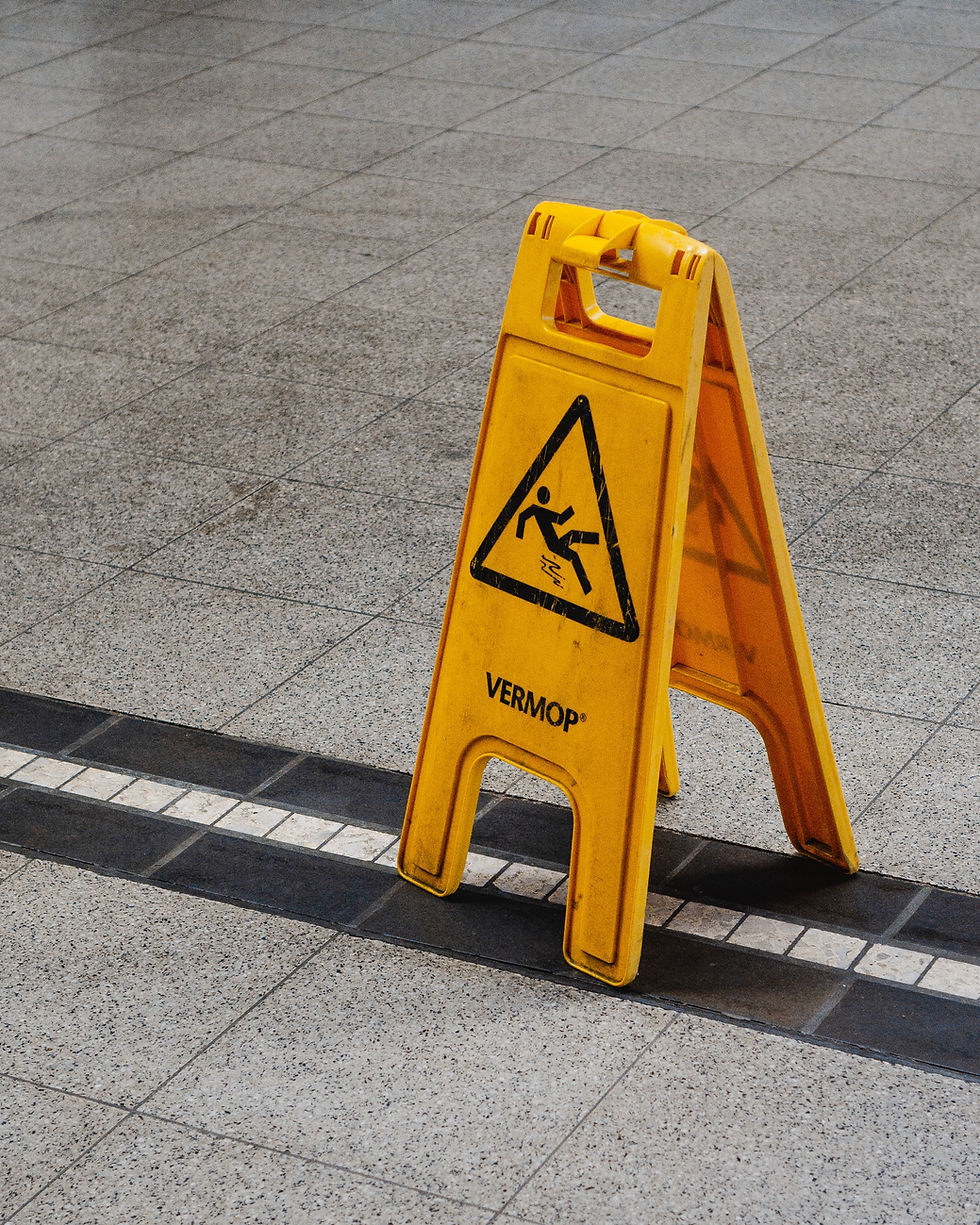
Standing water affects more than appearance
Water that remains on sidewalks or parking lots after rainfall creates slippery walking surfaces while slowly damaging asphalt and concrete. It can also encourage algae growth in shaded areas, making surfaces even more hazardous. Identifying drainage issues early helps protect both your landscape and the people using your property every day.
Drainage problems usually spread over time
Poor drainage rarely stays confined to one location. Water that cannot drain properly often erodes planting beds, exposes tree roots, weakens turf, and washes mulch onto nearby sidewalks. These conditions not only make maintenance more difficult but can also create muddy areas that become difficult for pedestrians to navigate. If recurring drainage issues continue affecting different parts of your landscape, they may be signs that your property needs more than routine landscape maintenance.
Irrigation systems should be inspected regularly
A malfunctioning sprinkler head can spray sidewalks instead of planting beds, while underground leaks may keep certain areas constantly wet without being immediately obvious. Periodically checking your irrigation system helps reduce water waste while preventing unnecessary slip hazards around your property.
Parking Areas Influence Safety From the Moment People Arrive

Debris hides developing problems
Parking lots naturally collect leaves, gravel, litter, and small branches throughout the year. Besides making the property look neglected, this debris can hide potholes, damaged pavement, or uneven surfaces that become dangerous for pedestrians.
Pavement damage should never be postponed
Small cracks often develop into potholes as water enters the pavement and repeated vehicle traffic increases the damage. Besides creating tripping hazards, deteriorating pavement may also damage vehicles and increase long term repair costs. Regular property inspections help identify these issues while repairs remain relatively straightforward.
Line markings also affect safety
Clearly visible parking spaces, pedestrian crossings, accessible parking areas, and directional arrows help vehicles and pedestrians move safely throughout a commercial property. As pavement markings fade, confusion increases, particularly during busy periods or poor weather conditions.
Lighting Plays an Important Role After Sunset

Poor visibility increases avoidable accidents
Outdoor lighting helps visitors identify steps, curbs, changes in elevation, and other obstacles that are much harder to notice after dark. Burned out fixtures or poorly illuminated walkways increase the risk of slips and falls while also affecting how safe visitors feel when entering or leaving the property and the overall appearance of commercial spaces.
Landscaping can reduce lighting performance
Even properly installed lighting becomes less effective as nearby trees and shrubs continue growing. Branches may block light from reaching sidewalks, while dense landscaping creates shadows around entrances and parking areas. Periodically checking both lighting fixtures and surrounding vegetation helps maintain consistent visibility throughout the property.
Seasonal Maintenance Prevents Many Safety Issues

Fall leaves quickly become slippery
A layer of dry leaves may seem harmless, but once moisture is introduced they create surprisingly slippery surfaces on sidewalks, entrances, and parking lots. Leaves also clog drainage systems, causing water to collect where people walk most frequently. Scheduling fall clean up services before leaves accumulate makes these hazards much easier to manage.
Winter preparation begins before temperatures drop
Snow removal becomes much more effective when outdoor spaces have already been inspected and prepared. Removing damaged branches, repairing uneven pavement, clearing drainage systems, and marking obstacles before the first snowfall reduces the likelihood of winter accidents. Preparing early also allows your snow and ice management plan to focus on keeping the property accessible instead of reacting to preventable problems.
Every season introduces different risks
Spring often reveals damage caused by winter weather. Summer brings rapid plant growth that can reduce visibility. Fall introduces leaves and drainage concerns, while winter creates snow and ice hazards. A year round grounds maintenance program helps ensure these seasonal issues are addressed before they become safety concerns.
Most outdoor safety hazards do not appear overnight. They develop gradually through changing weather, plant growth, normal wear, and postponed maintenance. By inspecting your property regularly, maintaining healthy landscaping, addressing drainage concerns, repairing damaged surfaces, and preparing for seasonal changes, you create a safer environment for everyone who visits your business. Preventive outdoor maintenance not only reduces liability but also protects your investment, strengthens your professional image, and helps avoid costly repairs in the future.
Frequently Asked Questions
How often should commercial properties be inspected for outdoor safety hazards?
High traffic areas should be inspected regularly throughout the year, especially after storms, heavy rainfall, or seasonal weather changes that may create new hazards.
Why are overgrown shrubs considered a safety risk?
Shrubs can block visibility around intersections, entrances, parking lots, and pedestrian walkways, making it more difficult for both drivers and pedestrians to see one another safely.
Can poor drainage create liability issues?
Yes. Standing water increases the risk of slips, accelerates pavement deterioration, and can create icy conditions during colder months if not corrected.
Is parking lot sweeping only about appearance?
No. Removing leaves, gravel, and debris improves traction, exposes developing pavement damage, and helps create a safer environment for both pedestrians and vehicles.
How does outdoor lighting improve safety?
Proper lighting makes it easier to identify curbs, steps, uneven pavement, and obstacles after dark while improving visibility throughout the property.
When should seasonal maintenance be scheduled?
Seasonal maintenance should be planned before weather conditions change rather than after problems have already developed. This approach helps prevent many common safety hazards before they appear.
What are the benefits of a year round maintenance program?
Consistent maintenance helps identify small issues before they become safety concerns, extends the life of outdoor surfaces, improves curb appeal, and reduces the need for emergency repairs.


Comments